
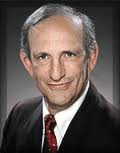
Richard Rider is a Libertarian San Diego resident who likes to talk about taxes. His blog, Richard Rider Rants , always has interesting articles. Three articles which have been posted to his blog since Christmas, talk about the very unfriendly environment in California for running a business, and then for retiring. In addition to the Top-Two initiative which was passed in California in 2012, Libertarians in the state face a combination of problems that make the Golden State a particular challenge.
Richard writes:
Few departing California business owners want to go public with WHY they are leaving. Generally it’s bad for business to discuss how anti-business CA is, even after leaving. California houses a huge customer base. Plus the state Franchise Tax Board has a well-earned reputation for vindictiveness.
Fortunately here’s a feisty libertarian fellow who is EAGER to tell his tale of woe. And a woeful tale it is.
The important takeaway from his story is that he did NOT leave because of taxes — he left because of the anti-business regulatory climate, plus the unrelenting legal risk of doing business in the Golden State.
I’m sure the “thinking” of the left is “good riddance.” But this entrepreneur has hundreds of employees in various states, and no longer can ANY of them to be found in California — the 25 he had employed here through 2013 have had to find new work. Good luck!
Posted to Reason
Libertarian Businessman Says Goodbye to California with the New Year
By Scott Shackford
January 6, 2014
David Herrera Libertarian businessman and park privatization advocate Warren Meyer is celebrating the new year by getting the heck out of California, like so many other businesses. He posted the many reasons why it’s so hard to do business in the Golden State, particularly in Ventura County, on his blog. Here’s a sampling of some of the reasons:
•It took years in Ventura County to make even the simplest modifications to the campground we ran. For example, it took 7 separate permits from the County (each requiring a substantial payment) just to remove a wooden deck that the County inspector had condemned. In order to allow us to temporarily park a small concession trailer in the parking lot, we had to (among other steps) take a soil sample of the dirt under the asphalt of the parking lot. It took 3 years to permit a simple 500 gallon fuel tank with CARB and the County equivalent. The entire campground desperately needed a major renovation but the smallest change would have triggered millions of dollars of new facility requirements from the County that we simply could not afford.
•In most states we pay a percent or two of wages for unemployment insurance. In California we pay almost 7%. Our summer seasonal employees often take the winter off, working only in the summer, but claim unemployment insurance anyway. They are supposed to be looking for work, but they seldom are and California refuses to police the matter. Several couples spend the whole winter in Mexico, collecting unemployment all the while. So I have to pay a fortune to support these folks’ winter vacations.
•California is raising minimum wages over the next 2 years by $2. Many of our prices are frozen by our landlord based on past agreements they have entered into, so we had no way to offset these extra costs. At some point, Obamacare will stop waiving its employer mandate and we will owe $2000-$3000 extra additional for each employee. There was simply no way to support these costs without expanding to increase our size, which is impossible (see above) due to County regulations.For more reasons, and the rest of the article, please click here .
Richard has posted an article which ranks states as being an undesirable retirement destination–and guess which state is number 1?
10 Worst States for Retirement
By Stacy Rapacon, Kiplinger
December 31, 2013
Picking the best place to retire is a personal decision that no amount of number-crunching can make for you. However, a close look at the factors that matter most to retirees — in particular those tied to health, safety and economic security — can help eliminate from the running the least attractive places to retire. With this goal in mind, we asked data aggregator FindTheBest to help us rate all 50 states in terms of how well each suits the unique needs of retirees.
Our rankings penalized states that have higher rates for crime, poverty and unemployment, as well as higher living costs. We also took into account life expectancy of retirees and the size of the retirement-age population. Finally, we weighed the tax situation for retirees in each state.
After factoring in all of the criteria, we found many Northeastern states near the bottom of our rankings due to high taxes and living expenses, especially related to health care. Retirees hoping to head West may be equally disappointed. The following ten states might be great places to work or visit, but judged purely as retirement living destinations, they hold the least appeal.
The balance of this article is here
Apparently, retirement isn’t awful for all residents of California. Those who work in the public sector in the state have been promised a retirement that is proving to be difficult for its other residents to pay for. Richard writes:
Too late, CalPERS is recognizing that public employee retirees will live much longer than CA projected. Uh oh.
By now everyone knows about the unrealistic pension earnings percentage used to justify giving away excessively high (and unjustified) public employee guaranteed pensions. It’s been used on EVERY level of U.S. government, and indeed in most government pension plans around the WORLD. This inability to honestly and prudently project realistic, conservative, attainable earning rates is endemic in defined pensions, and is perhaps the foremost reason they should be banned (lose IRS status for new employees’ pensions, at the very least).
But there’s another nefarious underprojection that the pension pushers CONSISTENTLY use to falsely claim that the government is properly funding pensions. They use outdated PAST life expectancy figures to project what the FUTURE retirees’ life expectancies will be. The one thing actuaries know is that people are living longer — and have been for generations. Yet this trend is ignored.
Again, this bogus, understated life expectancy use is endemic — a worldwide phenomenon. And again, this is a key reason why such innately flawed pensions should be banned.
I’ve railed about this life expectancy scam for years. I pushed it in the 2005 San Diego Mayoral election, but it got no traction with either the press or the public.
Finally (and belatedly) the CalPERS Chief Actuary has decided to recognized the problem (was he asleep up until now?), and is calling for reform — changing the life expectancy assumption to more realistic figures. But we can count on the unions (and therefore the politicians) to resist this sensible reform, as it would require putting more money aside to pay the future pension obligations caused by foolish live expectancy assumptions. Everyone in power will want to kick that funding can down the road. Expect too little, too late.
The best public employee pension columnist in the state, Daniel Borenstein, provides us with an article detailing this CalPERS problem. I should mention Borenstein is also the most HATED columnist in the state — at least hated by public employees. I can think of no finer accolade for a California political columnist.
Here is an article which discusses the problem: http://www.contracostatimes.com/daniel-borenstein/ci_24927397/daniel-borenstein-time-calpers-get-real-about-life
In a comment on FB Richard Rider points out it is actualy even worse than that:
Here’s an article re: retirement pensions which I found on Richard’s Facebook page:
http://www.mercurynews.com/california/ci_24998205/californias-wall-debt-is-only-slice-its-liability