
Jonathan Makeley, the Prohibition Party of New York’s gubernatorial candidate, is calling for stronger safeguards on the use of automated license plate readers by law enforcement, saying their use should be suspended in areas where protections cannot be put in place.
Makeley, who is mounting the party’s first campaign for New York governor in almost a century as a write-in candidate, shared his position in a September 30 email to The Dispute Index after the website asked where he stands on Flock-style license plate readers as part of a case examining the topic. The Dispute Index is a website that collects primary source documents and statements related to public controversies so readers can review the material and reach their own conclusions.
“I’ve been reading about the issue of flock cameras and other similar cameras this year and the concerns that have been brought up about them,” Makeley said. “There should be at the very least stronger policies to address the main issues involved with them.”
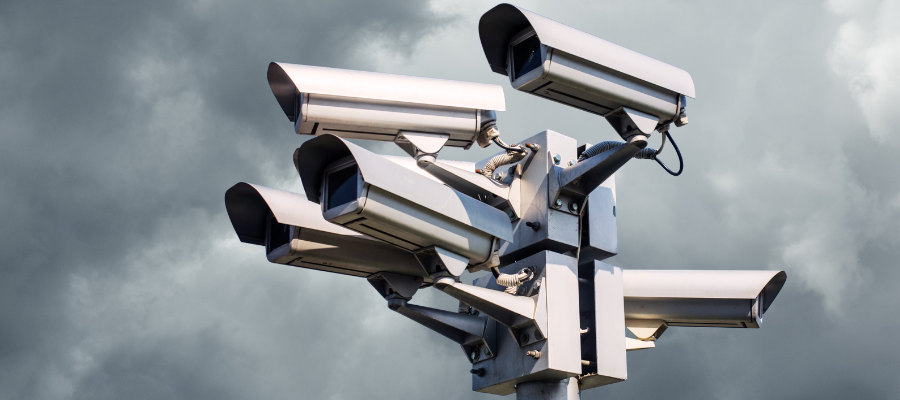
Flock Safety, one of the more prominent companies offering the technology, operates a nationwide network of automated license plate readers that photograph passing vehicles and record information such as license plate numbers, locations, and times. Law enforcement officers can then search that information during investigations and, depending on local agreements, share that access with other agencies similarly using the service.
That ability to easily search and share vehicle data has attracted strong criticism from civil liberties advocates as well as political groups, including the Libertarian Party, which formally condemned the use of Flock and other automated license plate readers for warrantless surveillance earlier this summer.
An internal San Francisco Police Department audit disclosed in June found that 299 improper searches of the department’s Flock network were conducted on behalf of federal and out-of-state agencies over a period of roughly a year. The Washington Post has also identified at least 69 police officials linked to cases involving misuse of Flock and other license plate reader systems, including officers accused of tracking current or former romantic partners with the technology.
Makeley said those concerns warrant stronger rules governing access to data and video feeds. He said law enforcement should face the same standards of access and evidence that apply to regular surveillance cameras and that anything flagged through a search should be verified by a qualified human reviewer before police act on it.
“There should be proper transparency regarding such camaras,” Makeley continued. “If an area or institution is unable to presently enact proper safeguards, then the use of such camaras should be halted, unless or until they are enacted.”
Flock did announce additional safeguards in August, including reducing its recommended default data retention period from 30 days to seven while allowing existing customers to keep their current retention periods. The company also said it would require case codes for law enforcement searches and make its system for flagging unusual activity for administrator review mandatory, with automatic lockouts added when certain abnormal behavior is detected. Flock has otherwise continued to defend the technology as a useful tool for law enforcement officers.
Be First to Comment