
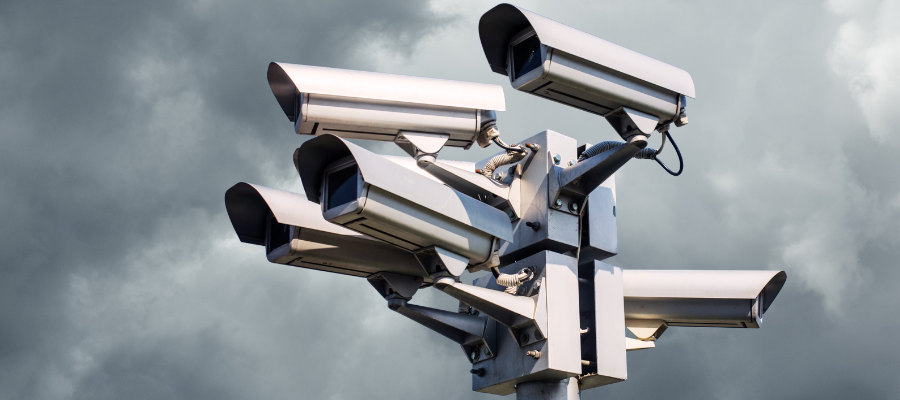
The Libertarian Party of Arkansas is calling on government agencies across the state to end the warrantless use of automated license plate readers and other forms of technology that allow officials to build records of where people travel over time.
In an August 5 resolution unanimously adopted by its executive committee, the party condemns what it calls the deployment of “mass surveillance technologies” by government entities and calls on agencies operating on all levels of government in Arkansas to terminate all “contracts, data-sharing agreements, and other arrangements that facilitate warrantless mass surveillance.”
Invoking the nation’s 250th anniversary, the resolution points to language protecting against unreasonable searches and seizures under both the Fourth Amendment of the U.S. Constitution and the Arkansas Constitution. It also quotes the state party platform, which calls for individual privacy and government transparency and says protections against unreasonable searches should extend to records held by third party entities.
Michael Kalagias, the party’s nominee for lieutenant governor this election cycle, initially proposed the measure, saying in a statement released by the party that it is an issue he feels strongly about. “It is an issue that I’m talking about in my campaign, and when it comes to adhering to Libertarian principles, there are few issues that are more clear-cut,” Kalagias said.
While the resolution does not identify a particular company, it comes as Flock Safety, a major provider of automated license plate readers, faces increasing scrutiny both in Arkansas and nationally over privacy and law enforcement access to vehicle-location data. The cameras operate by recording license plates and other identifiable characteristics of passing vehicles, with law enforcement agencies then able to search and share recorded information across jurisdictions.
More than 50 such agencies and jurisdictions nationwide have reportedly either rejected working with Flock or deactivated their cameras since the start of the year as privacy concerns and reported cases of officers using the system for unauthorized personal searches have drawn scrutiny to the technology. Six Arkansas cities have moved to suspend or end their use of Flock cameras since late July alone.
These concerns have prompted Flock to announce additional safeguards just this month, including plans to reduce the standard data-retention period from 30 days to seven and require law enforcement officers to enter case codes connecting searches to specific cases. The company says it will also now require agencies to use an auditing tool intended to identify unusual searches, with such users subject to automatic lockouts.
Be First to Comment